

Why You Should Never Ignore Low Water Pressure
A fully functional plumbing system is one of the most vital components of a modern home, quietly working behind the scenes to deliver clean water for drinking, cooking, cleaning, and bathing. We often take the seamless flow of water for granted, expecting a strong and steady stream every time we turn on a faucet or step into the shower. However, when that robust flow suddenly dwindles to a weak trickle, it can disrupt your daily routine and cause immediate frustration. Many homeowners treat low water pressure as a minor inconvenience, choosing to tolerate the sluggish flow rather than addressing it immediately. This passive approach can be a costly mistake, as a sudden or gradual drop in pressure is frequently an early warning sign of a much larger, more destructive issue hidden deep within your pipes. Ignoring this symptom allows minor problems to fester and escalate, potentially leading to catastrophic pipe failures, extensive water damage, and incredibly expensive repair bills. Understanding the underlying causes of this flow reduction and taking swift action to resolve it is essential for protecting the structural integrity of your home and ensuring the long-term reliability of your plumbing system. A proactive approach to home maintenance is always more cost-effective than waiting for a complete system breakdown.
Understanding the Basics of Water Pressure
To understand why a drop in flow is so concerning, it is helpful to look at how water travels through your home and what constitutes a healthy system. Water is delivered to your property under force from a municipal supply or a private well, and this force must be maintained within a specific range to ensure safe and efficient operation. According to The Spruce, the normal house water pressure is between 30 and 80 PSI. This force is necessary to push water through your vertical pipes, reach upper levels of your home, and power modern appliances like washing machines and dishwashers. When the force drops below this standard range, appliances cannot run efficiently, and basic household tasks become time-consuming chores. More importantly, consistent pressure is vital for maintaining the physical integrity of your pipes and fixtures. A sudden drop in force can indicate that water is escaping from the system before it reaches your faucets, or that a blockage is severely restricting the flow. By monitoring the strength of your water stream, you can catch minor issues before they develop into major plumbing emergencies, ensuring that your household continues to run smoothly and efficiently.
Identifying the Hidden Causes of Pressure Loss
There are several potential reasons why a home might experience a significant loss of water flow, and many of these causes are completely hidden from plain view. A very common culprit is the gradual accumulation of mineral deposits and scale inside older pipes, particularly those made of galvanized steel. Over time, calcium and other minerals naturally present in the water supply bind to the metallic walls, slowly narrowing the internal pathway and choking off the flow. Another potential issue is a malfunctioning pressure regulator, a specialized valve designed to stabilize the incoming force from the municipal supply. If this valve fails, it can restrict the flow of water into your home, causing a sudden and widespread drop in pressure across all fixtures. Additionally, municipal water main issues, such as temporary distribution failures or routine maintenance on your street, can cause temporary drops in flow. However, the most alarming cause of a sudden drop in pressure is a hidden plumbing leak. When a pipe cracks or bursts beneath your home or inside a wall, water escapes rapidly, diverting the flow and reducing the pressure at your faucets. Identifying these hidden causes requires a systematic approach to prevent extensive damage.
Preventing Severe Damage to Your Plumbing System
Choosing to ignore a persistent drop in water flow can have devastating consequences for your property and your wallet. When low pressure is caused by a hidden leak inside a wall, ceiling, or beneath your foundation, the escaping water quickly saturates the surrounding building materials. This moisture creates a perfect breeding ground for toxic mold and mildew, which can compromise the indoor air quality of your home and pose serious health risks to your family. Furthermore, standing water weakens wooden framing, rots drywall, and can even compromise the concrete slab of your foundation, leading to severe structural instability. In cases where the pressure drop is caused by severe mineral buildup or corrosion, the restricted flow increases the internal stress on older pipe joints, making them highly susceptible to sudden and catastrophic ruptures. By addressing a drop in pressure as soon as it is detected, you can pinpoint the source of the issue and implement repairs before the escaping water causes significant structural damage, safeguarding your home from preventable decay and preserving its overall market value.
Evaluating the Impact on Daily Household Activities
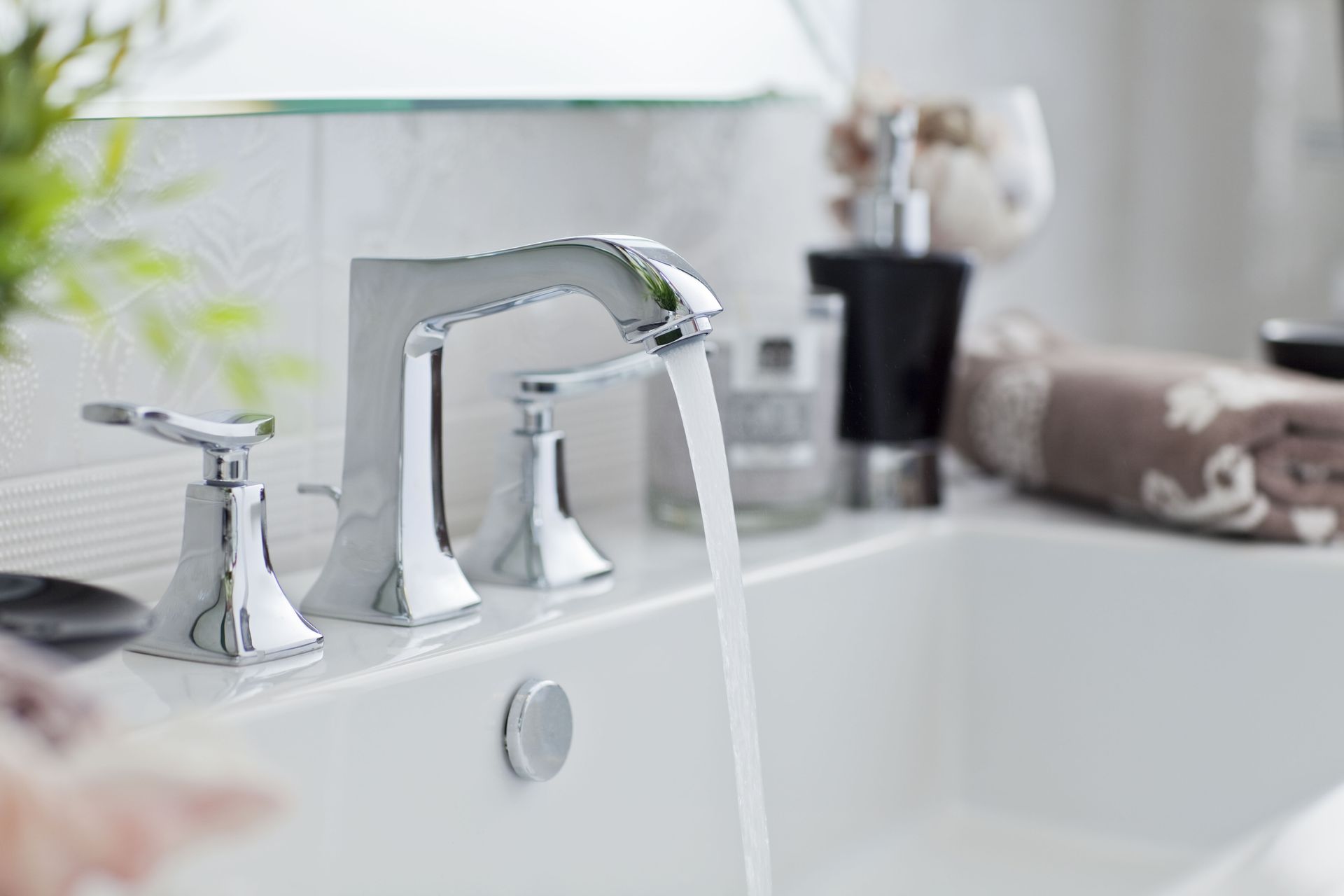
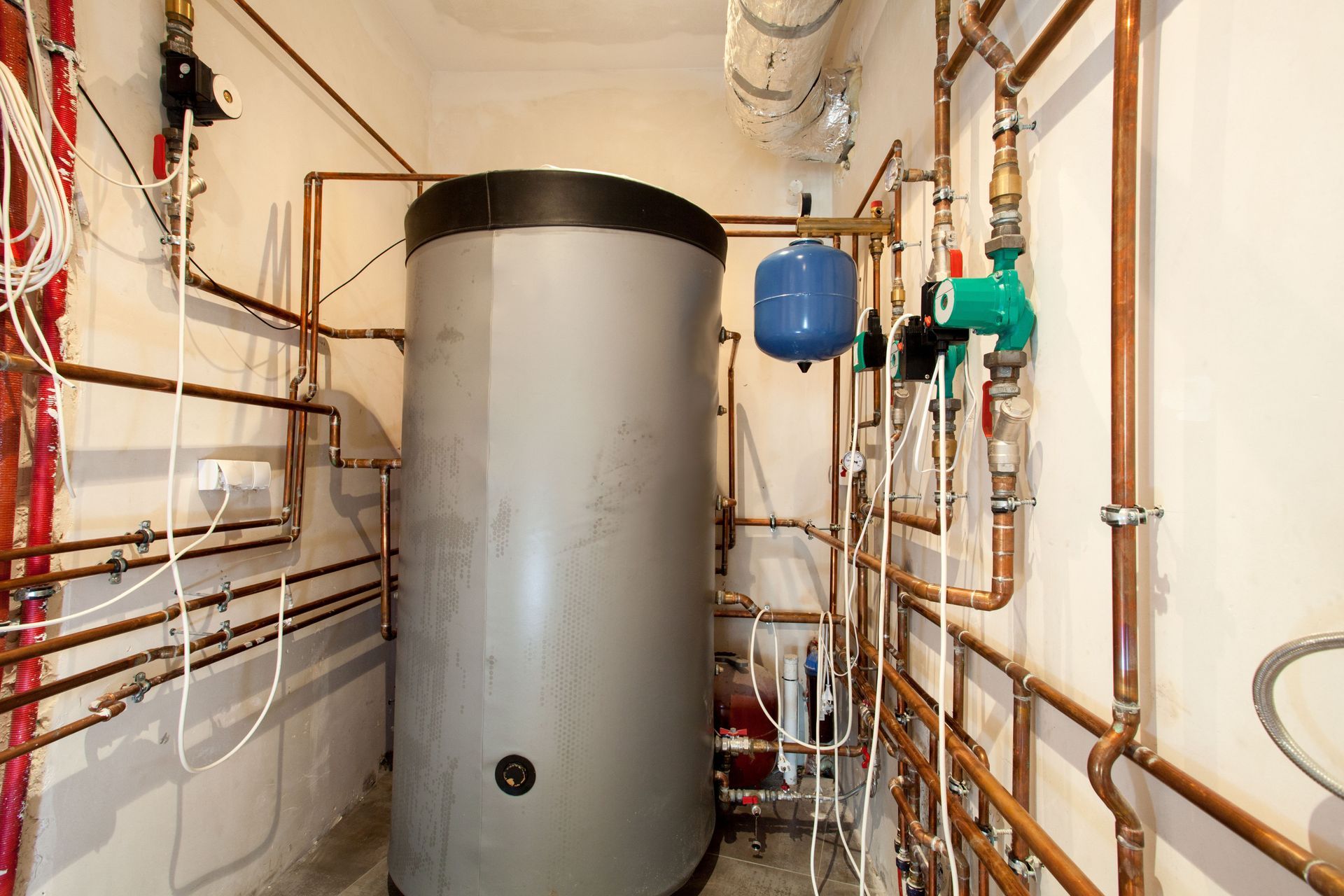
Beyond the structural risks to your home, a weak water stream has a profoundly negative impact on your daily comfort, hygiene, and household efficiency. Simple tasks that should take moments become prolonged and frustrating endeavors. Showering becomes a tedious process, as a weak stream makes it difficult to rinse soap and shampoo effectively. Washing machines and dishwashers require a steady, strong flow of water to fill and cycle properly; when the pressure is insufficient, these appliances must run longer to complete their cycles, which can cause them to overheat and wear out prematurely. Additionally, weak flow can prevent your water heater from functioning correctly, leading to inconsistent water temperatures and sudden bursts of cold water. In households with multiple occupants, a lack of adequate pressure means that running any faucet or flushing a toilet can completely starve other fixtures of water, leading to domestic arguments and daily inconveniences. Restoring proper pressure is essential for reclaiming the convenience, comfort, and efficiency of your modern home environment and ensuring your appliances operate as intended.
Recognizing the Value of Professional Assistance
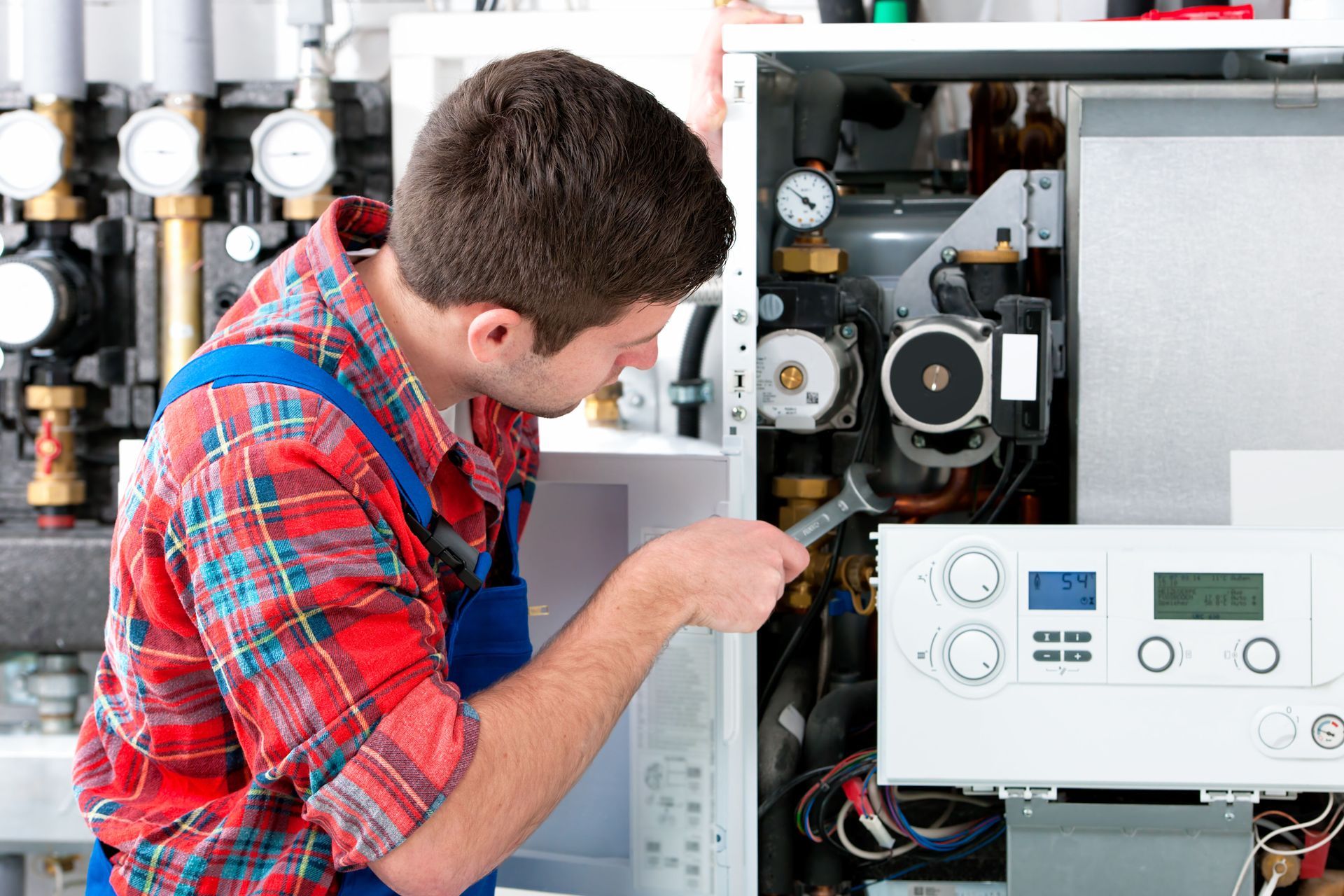
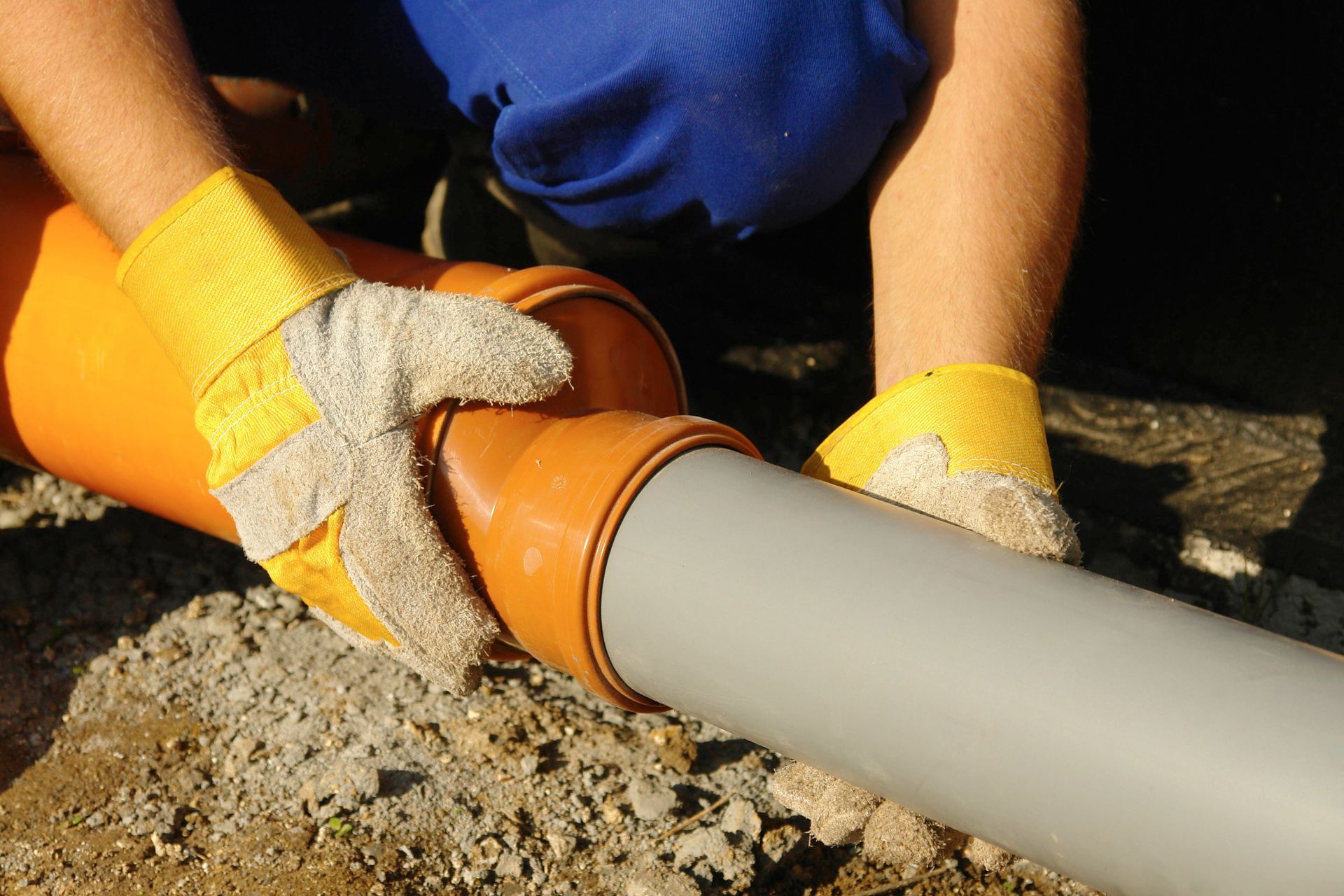
Diagnosing and resolving water pressure issues is a highly complex task that requires specialized tools, extensive training, and a deep understanding of plumbing systems. Attempting to fix the problem yourself without professional guidance can often lead to further damage, as well as a significant waste of time and money. Professional plumbers possess the diagnostic equipment necessary to pinpoint the exact location of hidden leaks and blockages without causing unnecessary damage to your walls or property. These licensed plumbers can perform comprehensive pressure tests, inspect your main water shutoff valves, and verify whether your pressure regulator is functioning correctly. Furthermore, if the issue is caused by outdated, corroded pipes that are choking your water supply, skilled plumbers can design and execute a repiping strategy that restores clean, high-pressure flow to your entire home. Investing in professional plumbers ensures that the repairs are completed safely, legally, and in compliance with local building codes, giving you long-term peace of mind and preventing future plumbing headaches.
At Perry Plumbing & Heating Inc, our team is deeply committed to helping you maintain a safe, comfortable, and fully functional home with our comprehensive plumbing solutions. We understand how frustrating and disruptive low water pressure can be, and we are dedicated to providing the swift, expert service needed to diagnose and resolve your plumbing issues before they cause costly damage. We invite you to contact our experienced
plumbers today to schedule a thorough inspection and let us restore the comfort, safety, and reliable water flow that your household deserves.
Share On: