

How a Plumbing Contractor Chooses the Right Materials for a Project
When planning a plumbing installation for a new home, commercial building, or renovation, selecting the right materials is one of the most important decisions in the process. The type of pipe used throughout a system affects durability, water quality, maintenance requirements, installation timelines, and long-term costs. A skilled plumbing contractor evaluates multiple factors before determining which materials will deliver the best performance for a specific project.
Different plumbing systems require different solutions. What works well for a water supply line may not be appropriate for drainage, waste removal, or underground applications. By understanding the strengths and limitations of each material, an experienced plumber can design a system that meets building requirements while providing reliable service for years to come.
Evaluating the Requirements of the Project
Understanding the Building's Purpose
Every plumbing project begins with a careful assessment of the structure itself. Residential homes, multifamily properties, commercial facilities, and industrial buildings all place different demands on plumbing systems. The volume of water usage, number of fixtures, and expected occupancy levels influence material selection from the start.
For example, a single-family home may have very different plumbing requirements than a large commercial building with multiple restrooms and kitchens. Materials must be capable of supporting the anticipated demand while maintaining efficiency and reliability. The contractor reviews building plans and coordinates with other construction professionals to ensure the plumbing system aligns with the overall design.
Considering Local Codes and Regulations
Plumbing materials must comply with local building codes and regulations. Municipal requirements often dictate which materials are approved for specific applications, especially for potable water systems and drainage installations. A plumbing contractor must stay current with these standards to ensure every component meets regulatory requirements.
Code compliance is particularly important in new construction projects. Using approved materials helps prevent delays during inspections and reduces the risk of costly modifications later. Contractors carefully verify that selected materials satisfy all applicable standards before installation begins.
Analyzing Environmental Conditions
Environmental factors can significantly influence pipe performance. Soil conditions, water chemistry, temperature fluctuations, and moisture levels all affect how plumbing materials age over time. What performs exceptionally well in one setting may not provide the same results elsewhere.
A plumbing contractor evaluates whether pipes will be installed underground, within walls, in crawl spaces, or in exposed locations. This analysis helps determine which materials offer the greatest resistance to corrosion, freezing conditions, physical damage, and long-term wear. By accounting for environmental challenges early in the planning process, contractors can reduce the likelihood of future problems.
Comparing Common Plumbing Materials
When PVC Is the Preferred Choice
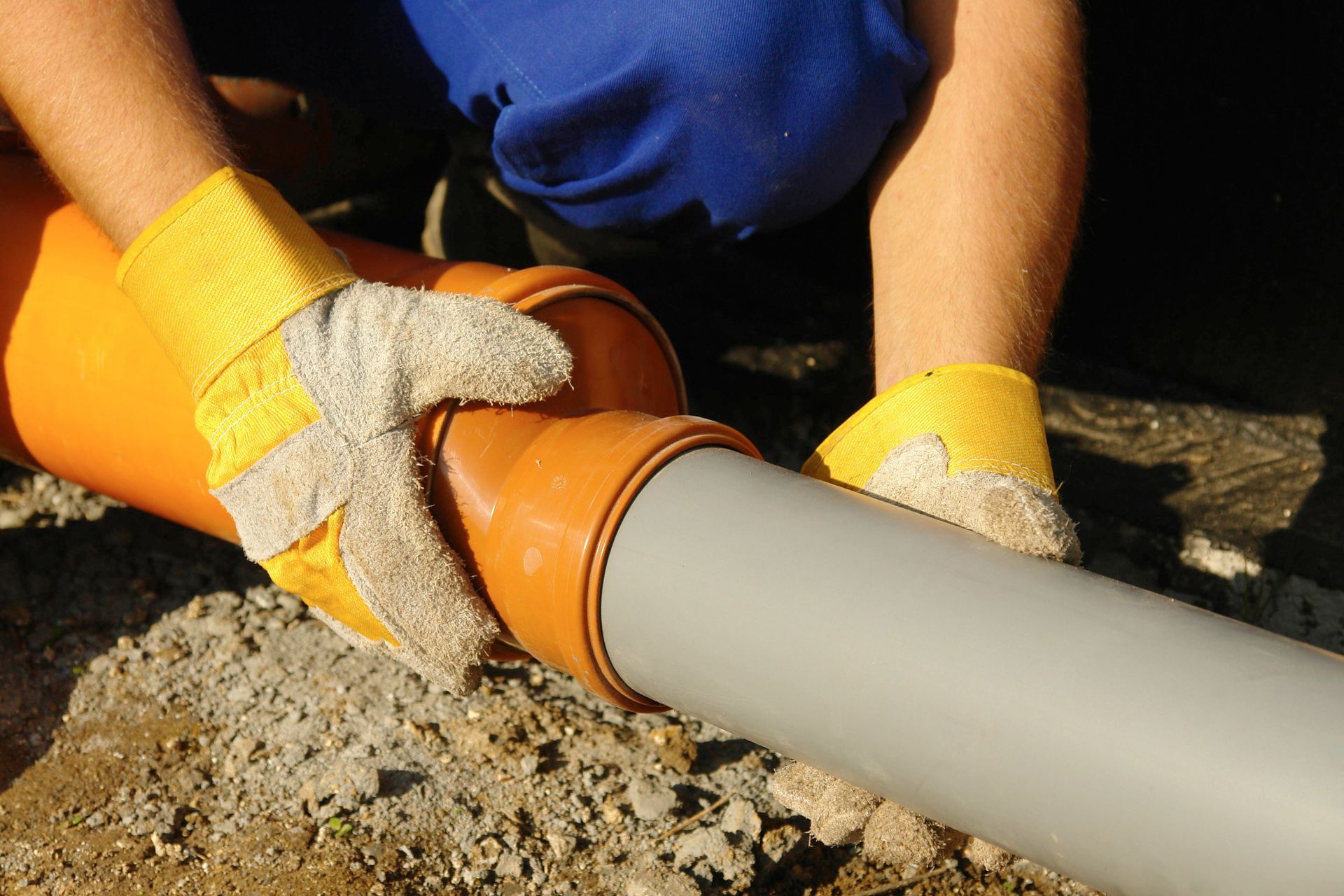
Polyvinyl chloride, commonly known as PVC, is one of the most widely used plumbing materials in modern construction. Its affordability, lightweight design, and resistance to corrosion make it a popular choice for drain, waste, and vent systems.
Because PVC does not rust or deteriorate when exposed to moisture, it often performs well in a variety of residential and commercial applications. Installation is typically straightforward because the material is relatively easy to cut and connect.
This efficiency can help keep labor costs manageable while providing dependable performance. However, PVC is generally not used for hot water supply lines because high temperatures can affect its structural integrity over time.
Why Many Projects Use PEX
Cross-linked polyethylene, commonly referred to as PEX, has become increasingly common in water supply systems. Its flexibility allows installers to route piping through walls and around obstacles with fewer connections than rigid materials. Fewer fittings can reduce potential leak points and simplify installation.
Cost considerations also make PEX attractive for many projects. According to HomeGuide, PEX piping can remain functional for 30 to 40 years while reducing material expenses by nearly half compared to some traditional alternatives. A plumbing contractor may recommend PEX when balancing affordability, efficiency, and long-term performance is a priority.
Because PEX expands slightly, it can also offer some protection against freeze-related damage compared to more rigid piping materials. These characteristics make it a practical option for many residential construction projects.
Situations That Call for Copper or Cast Iron
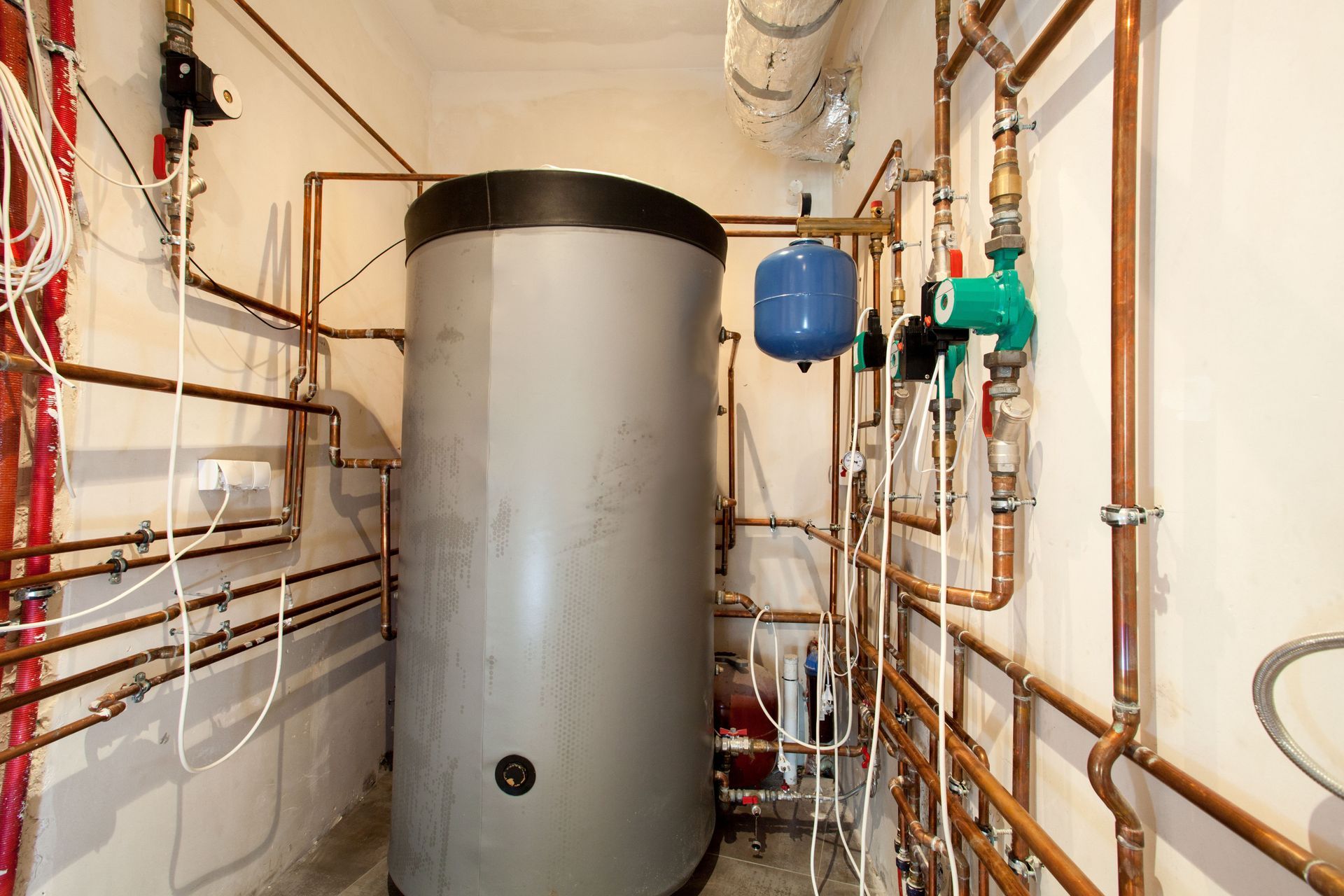
Although newer materials are widely used, copper and cast iron continue to serve important roles in plumbing systems. Copper has long been valued for water supply lines because of its durability, corrosion resistance, and ability to handle both hot and cold water applications. Many property owners appreciate copper's reputation for longevity and dependable performance.
Cast iron remains a common choice for certain drainage systems, particularly in applications where noise reduction is important. Water flowing through cast iron pipes often produces less sound than it does in lighter materials. Additionally, cast iron offers exceptional strength and can withstand significant loads when installed correctly.
A plumbing contractor evaluates whether the benefits of these materials justify their higher costs and installation requirements. In many cases, combining multiple materials within a single project provides the most effective solution.
Balancing Performance, Longevity, and Cost
Matching Materials to Specific Applications
No single plumbing material is ideal for every part of a system. Water supply lines, drainage systems, irrigation piping, water service connections, and sump pump discharge lines all perform different functions. Choosing materials based on their intended application helps maximize system reliability.
For example, flexible piping may be beneficial for certain water supply installations, while rigid materials may be better suited for structural stability in drainage systems. Contractors evaluate each portion of the plumbing network individually rather than applying a one-size-fits-all approach. This targeted strategy helps ensure optimal performance throughout the entire system.
Considering Long-Term Maintenance Needs
Initial installation costs are only one part of the decision-making process. Maintenance requirements and expected service life also play major roles when selecting plumbing materials. Pipes that are less expensive upfront may not always represent the most economical option over several decades.
A plumbing contractor considers factors such as corrosion resistance, likelihood of leaks, ease of future repairs, and overall durability. Materials that require minimal maintenance often provide greater long-term value for property owners. The goal is to create a system that performs consistently while minimizing unexpected repair expenses.
Creating a Reliable System for the Future
The most successful plumbing installations result from careful planning and informed material selection. Contractors must balance project budgets, performance expectations, code requirements, and environmental conditions while designing systems that will continue functioning effectively over time.
Experience plays a significant role in this process. Contractors who routinely install rough-in plumbing, fixture connections, water service lines, water heaters, irrigation piping, sump pump systems, and other essential components develop valuable insight into how different materials perform in real-world conditions. This knowledge helps them recommend solutions tailored to each project's unique requirements.
A well-designed plumbing system is more than a collection of pipes and fittings. It is an integrated network that supports daily activities while protecting the property from leaks, water damage, and unnecessary maintenance issues.
Choosing the right plumbing materials requires much more than selecting the most familiar or least expensive option. Each project presents unique challenges that influence which pipes and components will deliver the best results. Factors such as building type, local regulations, environmental conditions, performance expectations, and budget all contribute to the decision-making process.
An experienced plumbing contractor carefully evaluates these considerations before recommending materials for any project. By matching each material to its intended purpose, contractors help create durable, efficient plumbing systems that support reliable operation and long-term value for property owners. For an expert plumbing contractor you can count on to choose the right materials for your project, reach out to Perry Plumbing & Heating Inc!

Share On: